A pre-IND vs Q-Submission comparison begins with product jurisdiction, not meeting speed. Drug and biologic programs and medical-device programs use different early FDA interaction mechanisms; combination products can require additional lead-center analysis.
Quick answer: which interaction fits?
| Question | Pre-IND | Q-Submission / Pre-Sub |
|---|---|---|
| Typical center context | CDER/CBER drug or biologic development | CDRH/CBER medical-device submissions and related device feedback |
| Typical timing | Before IND when early drug/biologic development questions can change the program | Before a device submission or study when FDA feedback can reduce uncertainty |
| Common topics | CMC, nonclinical, first-in-human design, starting dose, clinical plan | Pathway, testing, clinical study, IDE, 510(k), De Novo, PMA, device-specific questions |
| Core output | Formal FDA feedback under the relevant meeting framework | Written feedback and/or meeting under the Q-Submission program |
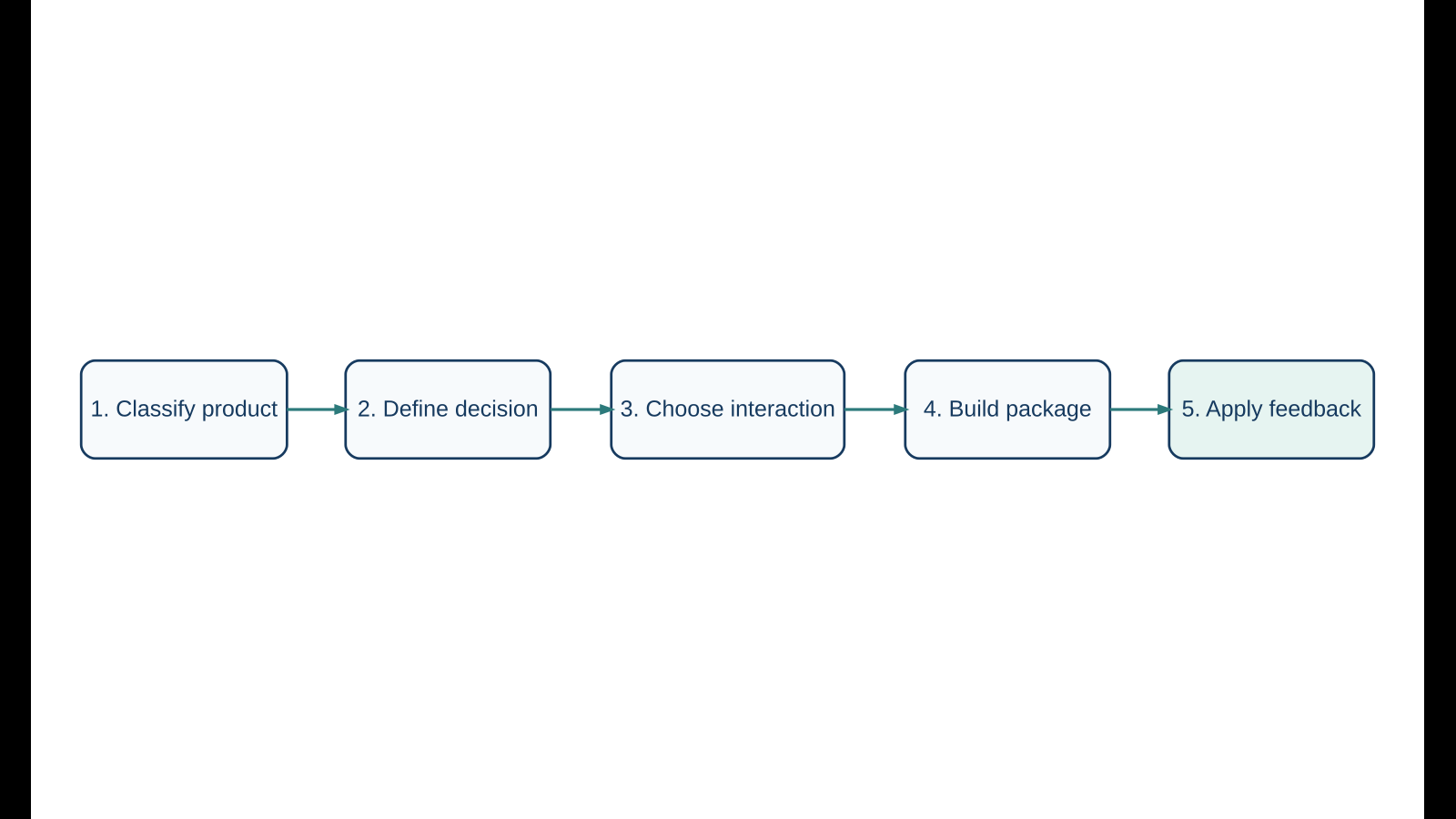
1. Start with product jurisdiction
If the product is clearly a drug/biologic, use the drug/biologic meeting framework. If it is a medical device or IVD, assess the Q-Submission pathway. For combination products or biologic-device interfaces, center assignment and the primary mode of action may require dedicated regulatory analysis.
For sponsors that need hands-on support applying this framework, BioBoston CRO Regulatory Pathway can support the underlying regulatory and cross-functional work.
2. Ask whether the question is mature enough
- The sponsor has a defined product and development objective.
- The question can be answered with the evidence included.
- The sponsor has a proposed position or plan.
- The answer could materially change study design, testing, or submission strategy.
3. Match the package to the decision
Do not send a broad program history when FDA needs a focused test plan, and do not send a narrow technical question when the underlying pathway is unresolved. The interaction should be scoped around the decision that carries the most development consequence.
4. Do not compare the programs by speed alone
The correct interaction is not the one with the shortest calendar. It is the one authorized and structured for the product and question. Use current FDA guidance for the applicable meeting mechanics and timing.
5. Combination-product red flags
- The team assumes one center based only on the physical form of the product.
- Drug and device questions are being separated even though the clinical use depends on both.
- The sponsor is choosing a Q-Sub or pre-IND before clarifying regulatory jurisdiction.
- The meeting package does not explain the product’s components and intended combined use.
Decision checklist
- Product jurisdiction assessed.
- Question type defined.
- Sponsor position documented.
- Evidence sufficient for FDA to respond.
- Correct guidance and submission channel confirmed.
- Outcome mapped to next development decision.
BioBoston CRO Regulatory Pathway support can help determine the appropriate interaction and structure the decision questions.